

8 Tips for Buying Used SUVs for Sale
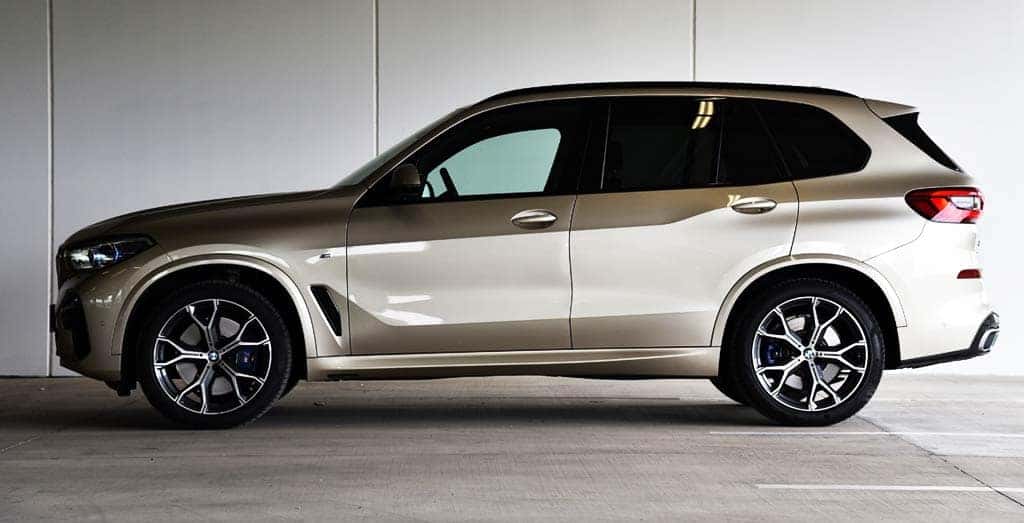
It wouldn’t be wrong to say that Americans love their Sport-utility vehicles or SUVs, which is why SUV sales have been growing throughout the US. SUVs are a great choice for those who want an all-wheel-drive that enables them to travel off-road and to really get the most out of their driving experience.
However, not everyone has the budget to afford a sport-utility vehicle. The good news is that you can now purchase a slightly used SUV for a far lower price as compared to getting a brand new one. So, what are the things you need to know about when purchasing an SUV?
Let’s find out.
1. Extra Money for Extra Large
This one is a no-brainer; regardless of whether you are going to buy a used SUV online or from a dealership, the extra space you crave is also going to come along with an extra-large price tag and other added expenses. For instance, the wheels of an SUV are generally bigger than those on a sedan or hatchback. As you progress up the trim ladder, those tires can become much wider, and they’ll cost a lot more to replace when they wear out or when you get winter tires.
Lower-profile tires with a smaller sidewall are typically used on larger wheels. These can provide a stiffer, rougher ride, as well as a higher risk of costly wheel damage if you strike a pothole. When looking for an SUV, keep these additional expenditures in mind.
2. The Cargo Area
We’re guessing the extra space you’re looking for isn’t necessarily only the seating area. The cargo capacity of the used SUV you choose also has an impact on the price. Look at how wide the hatch is, how far the liftgate opens, how high you have to lift goods over the bumper, how simple it is to fold down the back seats, if they fold flat, and whether the wheel wells or other components intrude into the luggage space.
If you can’t fit your dog kennel, stroller, golf clubs, or other critical goods into a vehicle, it won’t work, so bring some of your belongings with you for your test drive.
3. Fuel Economy
With fuel prices constantly on the rise, this is a valid question. It goes without saying that the more weight a vehicle has and the more wheels it has, the more gasoline it needs to move it. Your gas expenses will almost certainly increase if you upgrade from a regular sedan to an SUV. Automobile manufacturers routinely include fuel-saving technology into their new SUVs, but the results can vary.
Many companies, for example, install little turbocharged engines in huge SUVs, claiming that the smaller size is naturally more economical and that the turbocharger gives extra power when needed. However, if you drive aggressively or the vehicle is completely laden with passengers and cargo, the turbocharger will kick in more frequently to generate power, consuming more gasoline.
4. Handling
A sport-utility vehicle has a higher center of gravity than a car, and you’ll feel a difference in handling as a result of the increased weight. Expect greater “body roll,” or the propensity for the vehicle to tilt in the opposite direction of a maneuver or lane change. It’s considerably more noticeable when you’re driving aggressively or need to make a rapid emergency maneuver. Don’t make the mistake of thinking that an AWD sport-Ute is the answer to all your winter woes. Winter tires are still required, as is changing your driving style to accommodate changing road conditions. While AWD improves traction for faster acceleration, it has no effect on stopping time. So, it is important to also keep that in mind.
5. Off-Roading Options
Four-wheel-drive SUVs include the Jeep Wrangler, Toyota 4Runner, and Chevrolet Suburban (4WD). Although the words AWD and 4WD are sometimes used interchangeably, they are not interchangeable. It’s critical to understand the distinctions – as well as the type of 4WD you’re contemplating.
On a simple system, two-wheel-drive (2WD) is generally the first setting followed by 4-High and 4-Low. Those final two are just for off-road or extremely slick conditions, as they can be destroyed if driven on hard ground such as ordinary roads. If your car has a 4-Auto option, you can only drive in 4WD on asphalt. 4-Auto is only available on higher model levels on several SUVs.
It is important to note that 4WD SUVs will cost more and consume more gasoline than an AWD SUV with comparable equipment. Many drivers overestimate their requirements. AWD should suffice unless your home or campground is genuinely off the main road, requiring rock-crawling or mud-bogging to get there. Be honest with yourself about your requirements.
6. Read the Mechanical Report
The importance of having a car inspected and getting a mechanical report from a third party cannot be overstated. Before you sign on the dotted line, arrange for the vehicle to be inspected by a reputable local mechanic or experienced car expert. If the seller refuses to allow this, or better yet, arrange for the car to be transported to the mechanic’s shop, the deal is off.
Although a mechanical fault isn’t always a deal-breaker, it should be factored into the pricing. If you don’t know anyone in your area, look into enthusiast websites. Someone in the area could be willing to spend a day inspecting your vehicle, or at the very least, recommend a reputable repair business.
7. Make Your Own Observations
- The Mileage
A well-maintained automobile may easily last up to 200,000 miles, so if everything else is in order, don’t be scared of a high-mileage vehicle. Mileage that is considerably lower or greater than the national average of 14,000 per year, on the other hand, is a warning signal. Low mileage can indicate either a garage queen or a station vehicle that has been driven infrequently.
- The Paint Job
You don’t want a “paint job.” Dull paint can be buffed out. On the other hand, peeling paint is going to have to be sanded down, and that is only going to add to the expenses.
8. How Much Can You Afford?
This is that all-important question that every potential buyer needs to ask themselves before they go online, to a dealership, or even an auction lot, for that matter. As a rule of thumb, it is recommended to get a pre-approval for a car loan before you start shopping for an SUV. Besides, you want to know how much you can spend before you end up falling in love with an SUV on the listing. Another reason why getting pre-approval for a car loan is so important is that it can also reveal issues with your credit history that can be corrected or worked on.
It is also recommended that you get a pre-approval for that loan from a finance company and not the dealership since the latter is notorious for jacking up the interest rates. Once you have settled the price, you can also negotiate about a possible trade-in if you already have a vehicle.
Ending Note
There are a variety of SUV types and configurations that you need to know about once you decide to buy a used one. PAAUTOSALES.com is the best place to find all you need to know about SUVs, as well as find some great used options that will fit your budget. The tips for buying used SUVs for sales will ensure that you get the car of your dreams – without having to break the bank for it.





0 comment(s) so far on 8 Tips for Buying Used SUVs for Sale