

Which BMW Models Stand the Test of Time?
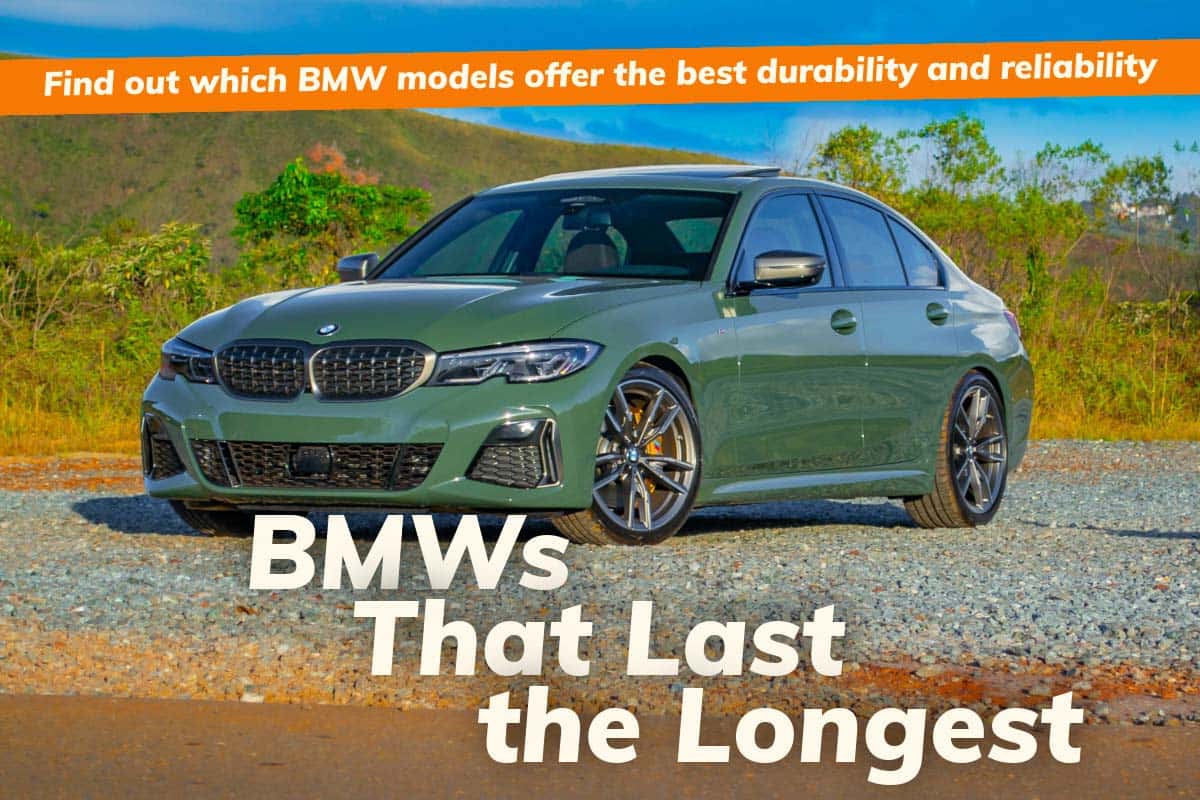
When investing in a luxury vehicle, longevity and reliability are paramount considerations. BMW, renowned for its engineering excellence, offers several models that exemplify durability and endurance. In this comprehensive analysis, we explore the BMW models celebrated for their long-lasting performance and delve into the factors contributing to their exceptional lifespan.
The BMW 3 Series: A Paragon of Reliability
The BMW 3 Series has long been esteemed for its harmonious blend of performance, comfort, and dependability. Particularly, models equipped with the naturally aspirated inline-six engines, such as the M54 and N52, have garnered acclaim for their robustness. Enthusiasts often highlight these engines’ capacity to surpass 200,000 miles with diligent maintenance. The E46 and E90 generations, embodying these powertrains, are frequently cited as exemplars of enduring engineering.
The BMW 5 Series: Merging Luxury with Longevity
The BMW 5 Series seamlessly integrates luxury with reliability. Notably, the E39 generation, produced from 1995 to 2003, is revered for its solid construction and dependable performance. Models featuring the M54 engine, such as the 525i and 530i, are particularly esteemed for their potential to achieve high mileage milestones. Owners often report these vehicles maintaining excellent performance well beyond the 200,000-mile mark, provided they receive regular maintenance and care.
While BMWs can last well over 200,000 miles with proper maintenance, buying a used luxury car comes with its own set of challenges. Check out our guide on the pros and cons of buying a used luxury car to make an informed decision.
The BMW X5: A Durable Luxury SUV
For those seeking a luxury SUV with enduring qualities, the BMW X5 stands out. The first-generation E53 X5, especially models equipped with the M54 engine, has demonstrated remarkable longevity. Owners frequently report these vehicles delivering reliable performance over extensive mileage, attributing their durability to robust engineering and consistent upkeep.
The BMW M6: A Sports Car with Enduring Performance
In the realm of high-performance sports cars, the BMW M6 distinguishes itself not only with exhilarating dynamics but also with notable longevity. According to iSeeCars, the BMW M6 ranks among the top ten longest-lasting sports cars, with some models exceeding 200,000 miles. This impressive lifespan underscores BMW’s commitment to engineering excellence, even in its most performance-oriented models.
If you’re considering buying or selling a long-lasting BMW, checking its market value is crucial. Tools like Kelley Blue Book can help determine fair pricing based on mileage, condition, and demand.
Key Factors Influencing BMW Longevity
While specific models have inherent qualities that contribute to their durability, several universal factors play a crucial role in extending the lifespan of any BMW vehicle:
- Regular Maintenance: Adhering to the manufacturer’s recommended service intervals ensures that all components function optimally and potential issues are addressed promptly.
- Quality Parts: Utilizing genuine BMW parts during repairs and maintenance preserves the vehicle’s integrity and performance standards.
- Driving Habits: Gentle driving practices, such as gradual acceleration and deceleration, reduce wear and tear on critical components, thereby extending the vehicle’s lifespan.
- Environmental Conditions: Storing the vehicle in a garage and protecting it from harsh weather conditions can prevent premature deterioration of both exterior and mechanical elements.
Maintenance Schedule Diagram
To assist in visualizing the essential maintenance tasks that contribute to the longevity of BMW vehicles, we present the following diagram:
| A[Regular Maintenance] –> | B[Oil and Filter Change] |
|---|---|
| A –> | C[Brake System Inspection] |
| A –> | C[Brake System Inspection] |
| A –> | D[Cooling System Service] |
| A –> | E[Transmission Service] |
| A –> | F[Suspension and Steering Check] |
| A –> | G[Timing Belt/Chain Replacement] |
| A –> | H[Battery and Charging System Check] |
| A –> | I[Air Filter Replacement] |
| A –> | J[Fuel System Cleaning] |
| A –> | K[Wheel Alignment and Tire Rotation] |
This diagram outlines the interconnected nature of routine maintenance tasks essential for sustaining the performance and longevity of BMW vehicles.
Conclusion
Selecting a BMW model renowned for its longevity, such as the 3 Series, 5 Series, X5, or M6, is a prudent decision for those seeking enduring performance and luxury. Coupled with consistent maintenance and mindful driving habits, these models exemplify BMW’s dedication to producing vehicles that stand the test of time.
BMW Longevity FAQ
1. Which BMW model is the most reliable for long-term use?
The BMW 3 Series (E46 and E90), 5 Series (E39), and X5 (E53) are widely recognized for their durability and reliability, often exceeding 200,000 miles with proper maintenance.
2. How many miles can a BMW last with good maintenance?
With regular servicing and proper care, many BMW models can last over 200,000 miles, and some owners report exceeding 300,000 miles.
3. What maintenance practices help a BMW last longer?
Routine maintenance, including oil changes, brake inspections, cooling system service, transmission servicing, and suspension checks, is crucial to extending a BMW’s lifespan.
4. Do BMWs require expensive maintenance to last long?
BMW maintenance costs can be higher than average, but using genuine parts, following the manufacturer’s service schedule, and addressing issues early can prevent costly repairs.
5. Which BMW engines are the most durable?
Engines such as the M54 and N52 inline-six are known for their reliability and longevity, often running smoothly for over 200,000 miles when properly maintained.
6. Is buying a high-mileage BMW a good idea?
A well-maintained, high-mileage BMW can still be a great purchase. However, a detailed service history, pre-purchase inspection, and a strong maintenance record are essential factors to check.
7. Do BMWs have common issues that affect longevity?
Some common concerns include cooling system failures, oil leaks, and electronic malfunctions. Addressing these early and following a strict maintenance schedule can significantly improve longevity.
8. How does driving style impact a BMW’s lifespan?
Gentle acceleration, avoiding aggressive braking, and maintaining steady speeds reduce wear on critical components, extending the life of the engine, brakes, and suspension.
9. What are the signs that a BMW might not last long?
Frequent check engine lights, transmission slipping, excessive oil consumption, overheating, and unresolved leaks are red flags indicating potential longevity issues.
10. Can BMWs last longer than other luxury brands?
Yes, BMWs are engineered for performance and durability, and with proper maintenance, they can outlast many competitors, including Mercedes-Benz and Audi in long-term reliability.





2 comment(s) so far on Which BMW Models Stand the Test of Time?
I own a 2019 m850i with only 22k miles in America. I don’t see any longevity details for my car on your page. Please explain why, is this good or bad?
Any car can last 200,000 with proper maintenance and replacement of parts as long as it hasn’t rusted out. A branded new car includes new parts, and an old car can also have new parts. It’s a matter of cost versus benefits. My 530i at 170,000 miles looks great and is getting a $3500 upgrade including new clutch. Engine, notwithstanding some minor oil seepage, apparently doesn’t realize it is 25 years old. Admittedly I am a car salesman’s worst nightmare.