

Essential Guide to Purchasing a Used Electric Vehicle: Key Considerations
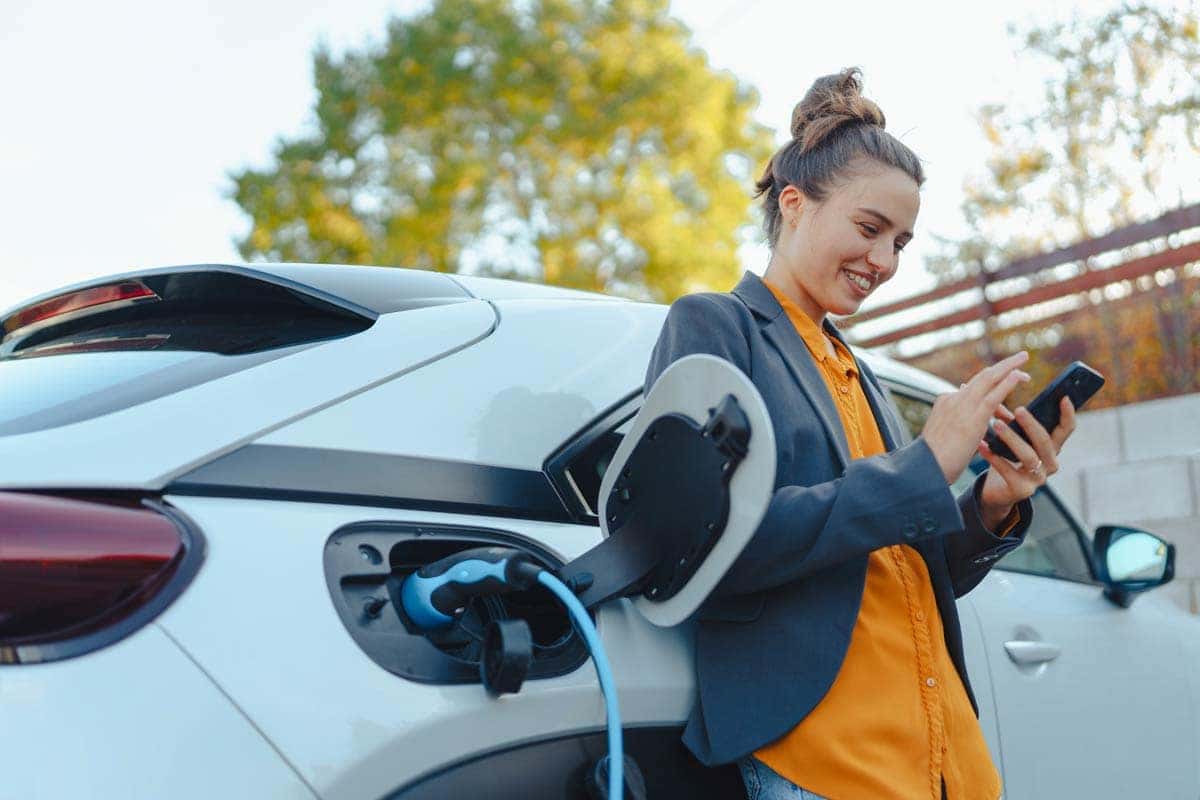
Electric vehicles (EVs) have surged in popularity across the United States, offering a greener alternative with lower ongoing costs compared to traditional vehicles. Despite their advantages, the initial cost of EVs can be prohibitive, making used electric cars an appealing option. However, there are unique considerations when purchasing a used EV. This comprehensive guide delves into the crucial factors to keep in mind.
Economic and Environmental Benefits of EVs
Electric vehicles are celebrated for their minimal environmental impact. They emit fewer greenhouse gases and pollutants compared to gas-powered cars, even when the electricity comes from non-renewable sources. Additionally, EVs are cheaper to run. With fewer moving parts, such as exhaust systems or radiators, maintenance costs are significantly lower, which can save you money in the long run.
Initial Costs and Market Options
Despite the long-term savings, EVs carry a higher upfront cost. For example, the Nissan Leaf, one of the more affordable models, starts at $28,140. For many, this price point remains steep. However, the secondary market for EVs has expanded, providing cost-effective alternatives without compromising quality.
Key Considerations When Buying a Used EV
1. Charging Infrastructure and Accessibility
One major challenge of owning an EV is the charging infrastructure. Before purchasing, consider the availability of charging stations along your regular routes and at home. Charging at home with a standard outlet might suffice, typically taking 6-12 hours, but the availability of faster public charging options can greatly influence convenience.
2. Suitability for Long Journeys
While EVs are ideal for city driving, their range can be a limitation on longer trips. Unlike gasoline vehicles, you cannot simply carry extra fuel. Planning is essential, especially in areas with sparse charging stations. However, for urban and suburban areas, especially in well-serviced regions like the Northeast Coast, EVs perform exceptionally well even over longer distances.
3. Battery Health and Warranty
The battery is the heart of an EV and also the most expensive component to replace. Investigate the battery’s age, health, and any remaining warranty coverage when considering a used EV. Many new EVs come with battery warranties of 5-8 years or 100,000 miles. Purchasing a vehicle within this period can provide additional security.
4. Depreciation and Value Retention
Electric cars depreciate faster than traditional cars, particularly in the first few years. However, models that are 2-3 years old have already undergone significant depreciation and can offer better value. Their batteries have stabilized in performance, offering reliable service without the steep initial depreciation.
5. Maintenance Requirements
While generally lower in maintenance, EVs can vary significantly in their technological approaches. It’s important to understand the specific maintenance demands of the model you are interested in. Familiarize yourself with any common issues, particularly those that might affect the longevity and performance of the battery.
6. State Incentives for Used EVs
Some states offer incentives for purchasing EVs, primarily new models. However, it’s worth investigating whether any incentives apply to used models, which can tip the scales when choosing between similar options.
While considering the purchase of a used electric vehicle, exploring a diverse range of available models can significantly influence your decision. For those located in or around Philadelphia, check out our extensive selection on the Hybrid/Electric Cars for Sale at PA Auto Sales in Philadelphia, where you’ll find a variety of options tailored to meet your sustainable driving needs.
Conclusion
Transitioning to an electric vehicle is an excellent way to reduce both environmental impact and travel costs. When selecting a used EV, it’s crucial to consider factors like charging options, battery health, and vehicle depreciation. By meticulously evaluating these elements, you can ensure that your investment is both economically and environmentally sound, leading to substantial benefits over the vehicle’s lifetime.
If you’re looking for more ways to reduce vehicle expenses across various types of cars, our guide on the 5 best low-cost-to-own vehicles offers great insights into models that are both economical and reliable.





0 comment(s) so far on Essential Guide to Purchasing a Used Electric Vehicle: Key Considerations