

How Many Years Will a BMW X3 Last?
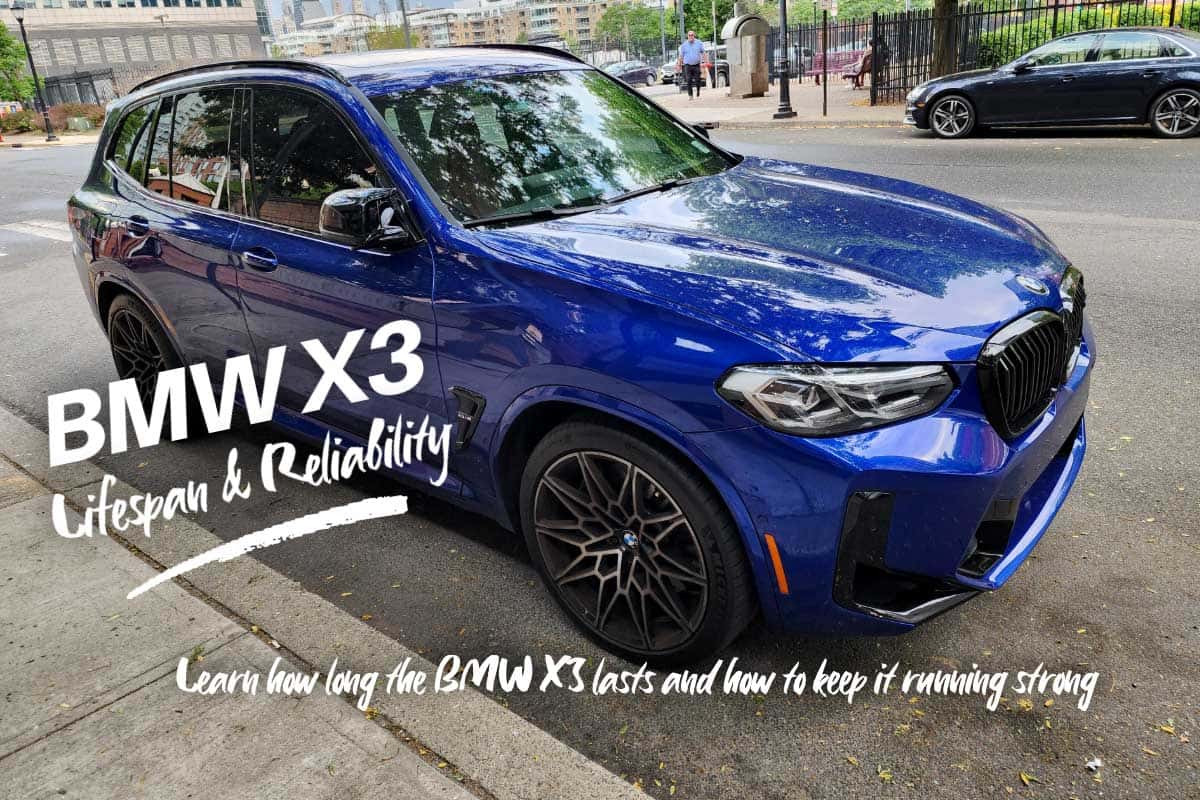
The BMW X3 is a luxury compact SUV engineered with German precision and known for its dynamic driving experience. As a premium vehicle, buyers expect it to deliver performance, comfort, and longevity. In this guide, we break down exactly how many years you can expect a BMW X3 to last, what affects its lifespan, and how to maximize its durability with proactive care.
Average Lifespan of a BMW X3 in Years and Miles
A well-maintained BMW X3 can last between 15 to 20 years or150,000 to 250,000 miles, depending on driving habits, maintenance practices, and environmental factors. Some owners have reported surpassing 300,000 miles with diligent care and timely repairs.
| Lifespan Factor | Typical Range |
|---|---|
| Mileage Before Major Repairs | 150,000 – 200,000 miles |
| Total Ownership Years | 15 – 20 years |
| Annual Mileage | 10,000 – 15,000 miles |
Key Factors That Influence BMW X3 Longevity
1.Model Year and Engine Type
Later models (especially post-2017) feature upgraded engines like the B46 and B58 series, offering improved efficiency and reliability over the older N20 and N52 engines.
Notable engine life expectancies:
- B58 (3.0L Turbo I6): Known for its durability, it can exceed 200,000 miles.
- N20 (2.0L Turbo I4): More prone to timing chain issues around 100,000 miles.
2.Maintenance History
Routine service is critical. BMW’s Condition-Based Service (CBS) system monitors wear items like oil, brake pads, and filters, but owners should go beyond CBS recommendations for longevity.
Key maintenance intervals:
- Oil change: Every 7,500 miles or 1 year
- Transmission fluid: Every 60,000 – 70,000 miles
- Coolant flush: Every 50,000 miles
- Spark plugs: Every 60,000 – 80,000 miles
3.Driving Habits
City stop-and-go driving leads to faster wear compared to highway cruising. Aggressive acceleration and hard braking can shorten the engine’s life, transmission, and suspension.
While the BMW X3 ranks highly for long-term ownership, it’s worth exploring how it compares with other BMWs in our guide on Which BMW Models Stand the Test of Time?.
Common Long-Term Issues With the BMW X3
Understanding typical problem areas can help prevent premature failure and manage long-term ownership costs.
| System | Common Issues After 100k Miles |
|---|---|
| Engine | Oil leaks, timing chain stretch |
| Transmission | Harsh shifting if fluid not changed |
| Suspension | Worn bushings, control arms |
| Electronics | iDrive glitches, sensor failures |
| Cooling System | Water pump and thermostat failure |
BMW X3 Reliability by Generation
E83 (2003–2010)
Reliable straight-six engines but known for aging suspension and electronic issues.
F25 (2011–2017)
Improved handling and interior. N20 engines need careful timing chain maintenance.
G01 (2018–Present)
More refined and robust. B46 and B58 engines show excellent durability with proper upkeep.
How to Make Your BMW X3 Last Longer
1. Follow a Strict Maintenance Schedule
Do not rely solely on BMW’s CBS. Proactively change fluids, inspect components, and keep detailed service records.
2. Use OEM Parts Only
OEM parts ensure compatibility, reduce the risk of premature failure, and help preserve the vehicle’s long-term value.
3. Invest in Preventive Repairs
Address minor issues before they become major, especially leaks, unusual noises, and warning lights.
4. Avoid Short Trips
Frequent short-distance driving prevents the engine from reaching optimal temperature, leading to carbon buildup and increased wear.
Cost of Ownership and Repairs Over Time
After the factory warranty expires, BMW X3 maintenance and repair costs average between$1,000 to $1,800 per year. Extended warranties or prepaid maintenance packages can help offset long-term costs.
Estimated significant service costs:
- Brake job: $500 – $800
- Water pump replacement: $800 – $1,200
- Timing chain service (N20): $2,000 – $3,000
- Suspension overhaul: $1,500 – $3,000
When to Replace or Sell Your BMW X3
Whether to replace or keep your BMW X3 often hinges on repair costs versus vehicle value.
Before deciding to sell your X3, it’s wise to check its current market value using trusted tools—our Kelley Blue Book: A Comprehensive Guide to Smart Car Buying breaks down exactly how to evaluate and price your vehicle.
Key indicators it may be time to sell:
- Repairs exceed 50% of the vehicle’s market value
- Recurring electrical or engine failures
- Loss of confidence in safety or reliability
Visual Overview of BMW X3 Longevity Timeline
| Year | Event |
|---|---|
| 0 | Purchase new, certified pre-owned or used |
| 1 year | Regular service: oil, filters, tire rotation |
| 3 years | End of factory warranty (if new) |
| 5 years | Battery, brake pads, coolant flush |
| 7 years | Transmission fluid, suspension check |
| 10 years | Major services: water pump, timing chain |
| 15 years | Evaluate long-term cost vs. value |
| 20 years | Potential end-of-life or collector value |
If you’re considering replacing your aging X3 with another vehicle, be sure to weigh your options carefully—our breakdown of Auto Financing vs. Leasing: What’s Best for Your Used Car Purchase? can help you make an informed decision.
Final Verdict: Is the BMW X3 Built to Last?
Yes—with proper care, the BMW X3 can easily outlast competitors in its class. From its responsive engines to its premium build quality, it rewards responsible ownership with a life span of up to two decades.
To maximize value and lifespan:
- Stick to a strict maintenance schedule
- Stay ahead of known issues by generation
- Avoid neglecting early warning signs
The BMW X3 isn’t just a luxury SUV—it’s a long-term investment in comfort, safety, and driving enjoyment.
BMW X3 Longevity: Frequently Asked Questions
1. What is the average lifespan of a BMW X3?
With proper maintenance, a BMW X3 can last between 15 to 20 years or 150,000 to 250,000 miles. Some owners report even higher mileage with consistent care.
2. Is a BMW X3 reliable after 100k miles?
Yes, the BMW X3 can remain reliable well beyond 100,000 miles if properly serviced. However, components like the suspension, timing chain, and electronics may require attention around this mileage.
3. Which BMW X3 engine lasts the longest?
The B58 (3.0L turbocharged inline-6) found in newer models is widely regarded as the most durable and reliable X3 engine compared to older engines like the N20.
4. What are the most common issues with a BMW X3?
Common long-term issues include:
- Oil leaks
- Timing chain wear (especially in N20 engines)
- Suspension component wear
- Electronic glitches (iDrive, sensors)
- Cooling system failures (water pump, thermostat)
5. How much does it cost to maintain a BMW X3 annually?
After the warranty period, expect to spend $1,000 to $1,800 per year on maintenance and repairs, depending on mileage and driving habits.
6. Is buying a used BMW X3 with over 100k miles worth it?
It can be, provided there’s a solid service history and no signs of deferred maintenance. A pre-purchase inspection by a qualified BMW specialist is highly recommended.
7. How often should the oil be changed in a BMW X3?
Oil should be changed every 7,500 miles or once a year, whichever comes first. Using high-quality synthetic oil is crucial for longevity.
8. Does the BMW X3 hold its value over time?
BMW X3 models tend to depreciate faster than some competitors, but well-maintained examples can retain reasonable resale value, especially higher trims and newer engines.
9. How can I make my BMW X3 last longer?
- Follow a proactive maintenance schedule
- Use OEM or high-quality parts
- Avoid aggressive driving and frequent short trips
- Address small issues before they escalate
- Keep detailed maintenance records
10. When is it time to sell or retire a BMW X3?
Consider selling if repair costs begin to exceed 50% of the vehicle’s market value or if ongoing issues compromise reliability and safety.





2 comment(s) so far on How Many Years Will a BMW X3 Last?
getting a 2004 x3 with 2.5 liter engine 70,000 miles that is only used 6 months a year and i will be driving it 1,000 miles home. what should I expect. this car is very well mantained with all service records
I have a 2010 2 ltr diesel X3 I have now done 346000 kms both on and off road. I have replaced the tyres with all terrain off road tyres. It has traveled over some of the roughest roads in Western Australia. I have also driven over sand dunes and beaches through rivers and along shorelines even pulled a Nissan Navarro out off soft sand with the help of a winch. It’s now 16 years old and still in excellent condition serviced regularly at every 10,000ks. To be honest I would rather drive my Beamer than a new one with all the bells and whistles. I spend on average between $800 and $1500 a year on service and repairs. My insurer has it ‘s market value at $12000 so I think I’ll be keeping it for a few more years of fun driving and fishing